Last updated November 17, 2026
Choosing the Right ADU Brand: A Buyer’s Guide for Summerlin
Several prefab and modular ADU brands marketed heavily across Nevada produce units wider than 12 feet once assembled. That single dimension can stop a project cold in Summerlin, because units over that width can’t legally travel Summerlin’s internal collector roads without a special transport permit that Clark County issues sparingly and slowly. The brand brochure won’t tell you this. The showroom won’t either. What follows is a buyer’s guide built around the two filters that actually decide which ADU brands work on a Summerlin lot: architectural review approval and physical transport access. Aesthetics come third, and we’ll get there.
Quick Answer
The right ADU brand for a Summerlin lot is the one that clears three gates in order: it can be approved by your village’s architectural review committee, it can physically reach your property through Summerlin’s internal street network, and its warranty and installation chain holds up under Nevada law. Most homeowners evaluate brands in the reverse order, fall in love with a floor plan, then discover the transport or design-review problem months later. Filter for approval and access first, and the brand shortlist usually shrinks to two or three realistic options before you’ve spent a dollar on deposits.
Table of Contents
- How Summerlin’s architectural review filters ADU brands before price matters
- The transport and site-access reality check for modular and prefab units
- Manufactured vs. modular vs. site-built: why Nevada law cares
- How to read an ADU brand warranty (structure, envelope, systems, exclusions)
- Who is actually responsible when product meets local code
- What each major ADU brand does well, and where it fits in Summerlin
- A step-by-step filter you can run before requesting any quote
How Summerlin’s Architectural Review Process Filters ADU Brands
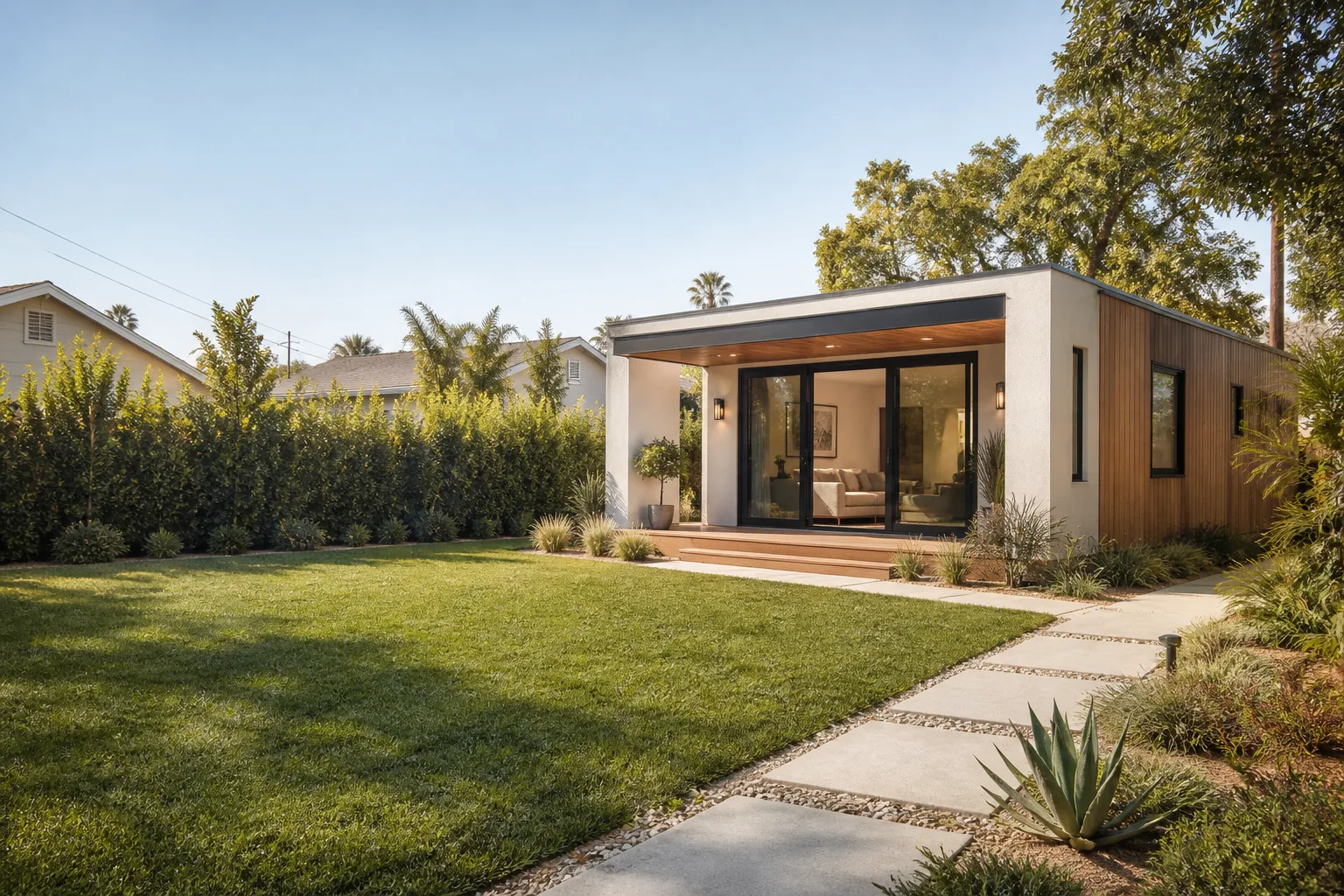
Summerlin is a master-planned community organized into villages, and most villages carry design guidelines enforced through an architectural review process. An ADU brand that looks sleek in a marketing video can still be rejected on your lot because the roof pitch doesn’t match the surrounding homes, the exterior finish reads as panel siding where the neighborhood is predominantly stucco, or the color falls outside the approved palette. This is the first filter, and it happens before anyone talks money.
In our experience working Summerlin lots, the brands that clear review most consistently are the ones offering adaptable exterior systems rather than a single fixed skin. Here’s what to check before you request a quote from any brand:
- Roof pitch: Ask the brand for their standard pitch and whether a steeper pitch is offered. Villages with a strong Mediterranean or Spanish Colonial character often expect a more pronounced pitch than a flat-roof modern unit provides.
- Exterior finish compatibility: Stucco-compatible cladding is the safe bet in most Summerlin villages. A brand that can accept a James Hardie exterior system or a stucco-ready substrate gives you flexibility a fixed-panel brand does not.
- Color palette rules: Palette rules vary by village, not by the whole community. A color approved in one village may be rejected two miles away. Pull the guidelines for your specific village before ordering any finish upgrade.
- Second-story massing: If your ADU design has any two-story element, expect closer scrutiny of how it reads from the street and from neighboring lots.
One practical tip: request the brand’s design-review packet before you sign anything. Reputable suppliers keep a package of specifications, elevations, and material samples ready for exactly this purpose. If a brand can’t produce one, that tells you something about how often their units get through review. Working with an ADU builder in Summerlin who has sat through these reviews shortens the process considerably.
The Transport and Site-Access Reality Check
Here’s the part of the buyer’s guide most brand websites skip entirely. A prefab module has to physically arrive at your lot. In Summerlin, that means traveling internal collector roads with posted widths narrower than a highway, negotiating HOA common areas, and in many established neighborhoods, setting the unit with a crane because there’s no driveable path to the backyard.
Three access questions decide whether a brand is even possible on your property:
- What is the assembled width of each module? Units wider than 12 feet when assembled are the ones that run into transport permit problems on Summerlin’s internal roads. Ask for the shipping width, not the finished width. Some brands ship narrower and assemble wider on site; others don’t.
- Can the delivery route reach your lot without crossing HOA common areas? HOAs control access across shared landscaping, trails, and open space. Crane placement over common areas usually requires written approval, and that approval has its own timeline.
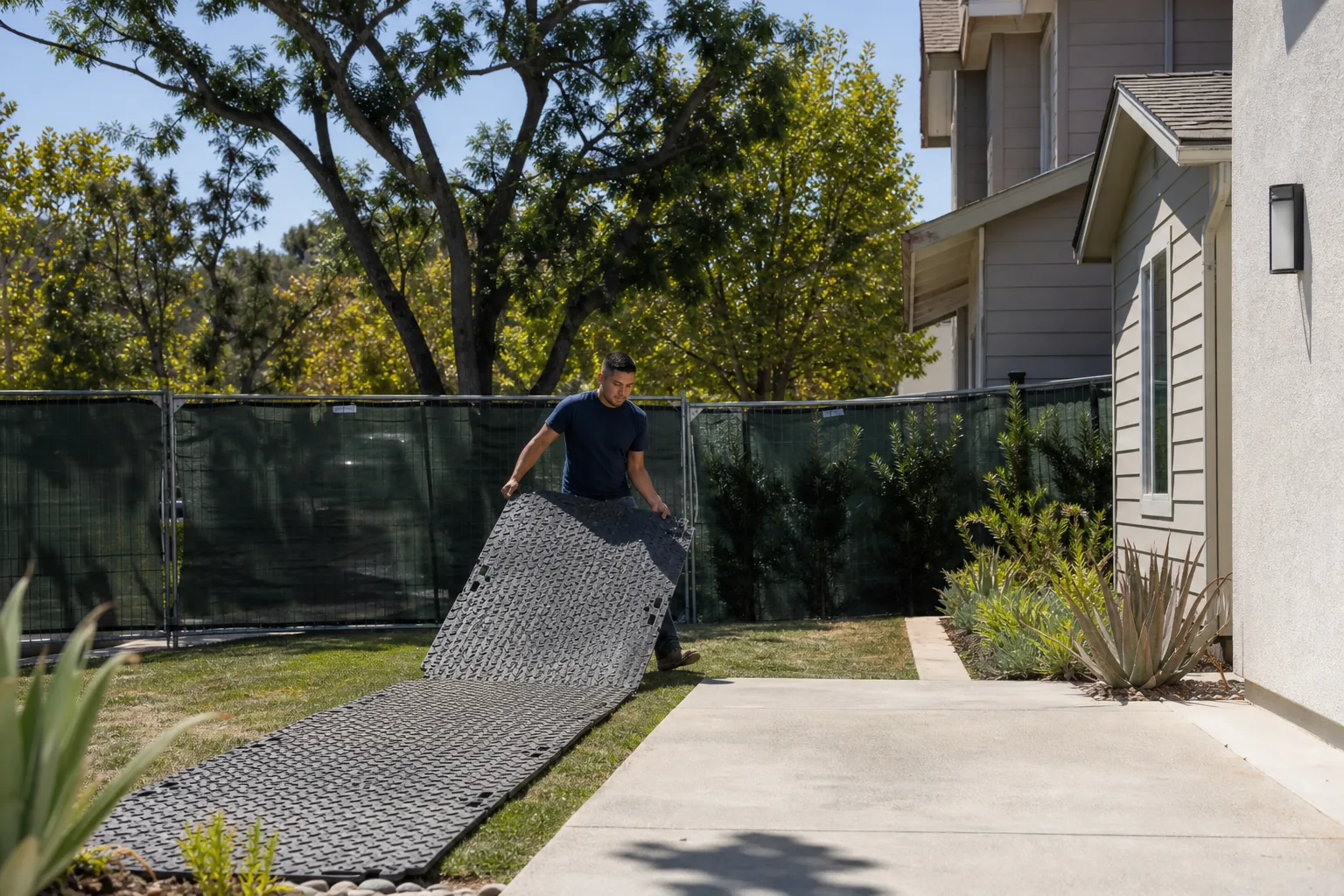
- Is a crane set required, and can a crane physically reach the placement point? In established Summerlin neighborhoods with mature landscaping and side-yard gates, the answer is often yes, and the setup requires clearing overhead lines and confirming ground bearing capacity. Crane cost is a real line item; budget for it separately from the unit price.
We’ve watched homeowners lose deposits on brands they loved because nobody checked the side-yard clearance until delivery week. Run these three questions past the supplier in writing before any deposit changes hands.
Manufactured vs. Modular vs. Site-Built: Why Nevada Law Cares
The classification of your ADU affects financing, permitting, and even how the structure is titled. This is where a lot of Summerlin buyers get surprised. The three categories:
- Manufactured: Built to the federal HUD code, titled like a vehicle in many cases, and financed differently than a site-built structure. Some lenders won’t touch them; others price them higher. Resale treatment can differ too.
- Modular: Built in a factory to the state or local building code, then assembled on site. Modular units are typically treated as real property once permanently affixed, which opens up conventional financing and cleaner title treatment.
- Site-built: Stick-built on your lot to local code. The most familiar path for lenders and appraisers, and often the most straightforward for a room addition or a garage conversion.
Why this matters in Summerlin specifically: the financing conversation often happens after the design conversation. A homeowner picks a manufactured unit, falls in love with the price, then discovers their lender treats it as a chattel loan at a higher rate. Or the appraisal comes back and the unit is valued as personal property rather than real property. Ask any brand, in writing, which classification their product falls under in Nevada and how the unit is titled after installation. If the answer is vague, that’s a red flag. For homeowners weighing a full site-built approach, a room addition contractor in Summerlin can walk through the classification and financing differences side by side.
How to Read an ADU Brand Warranty
A brand warranty is not the same thing as a workmanship warranty, and confusing the two is one of the most expensive mistakes in this purchase. The brand typically warrants the product it manufactured. Someone else warrants the installation. Someone else again warrants the site work, the foundation, and the utility connections. Your job is to map who covers what before you sign.
Here’s the framework we recommend:
- Structure: What’s the warranty term on the frame and load-bearing elements? Ten years is common; lifetime structural warranties exist but usually carry conditions. Read the conditions.
- Envelope: Roof, walls, windows, and weather sealing. This is where most water intrusion claims originate, and envelope warranties are often shorter than structural ones. Ask specifically what happens if a roof seam fails in year three.
- Systems: Electrical, plumbing, HVAC. These are frequently warranted by the component manufacturer (the panel maker, the HVAC brand) rather than the ADU brand, with the ADU brand passing the warranty through. That’s fine, but you should know it, because your claim goes to a different company.
- Exclusions: Read this section first, not last. Common exclusions include damage from improper site drainage, damage from homeowner modifications, and any installation work performed by a contractor outside the brand’s network.
Then layer in your installer’s workmanship warranty. Ours is the 365-Day Done Right Promise: it covers defects in workmanship for one full calendar year from project completion, and if something isn’t right within that year, we make it right. A credible brand warranty plus a written workmanship guarantee gives you two layers of coverage instead of one.
Who Is Actually Responsible When Product Meets Local Code?
This is the question that separates a smooth project from a year of finger-pointing: when a branded ADU system passes factory inspection but the installation fails a local inspection, who pays to fix it? The answer depends entirely on the contract structure, and it’s worth asking about before you sign.
Three things to nail down with any branded ADU supplier:
- Is the installing contractor licensed in Nevada? Nevada requires a state contractor license for this work. Ask for the license number and verify it. A brand that can’t tell you who’s installing, or can’t confirm that installer is Nevada-licensed, is passing risk to you.
- Who pulls the permit? The permit should be pulled by the licensed contractor doing the work, in their name. If the brand pulls it from out of state, the inspection chain gets murky fast.
- What does the contract say about the boundary between product defect and installation defect? A good contract draws this line explicitly. A vague contract means the two parties can point at each other for months while your ADU sits unfinished.
We’ve seen this play out on Summerlin projects: the brand blames the installer, the installer blames the brand’s spec, and the homeowner is stuck in the middle holding a half-finished unit. A contractor with a written price before work begins and a named workmanship guarantee removes most of that risk. Read the contract for who’s on the hook, not just what the warranty page says.
What Major ADU Brands Do Well, and Where They Fit in Summerlin
We work with a range of prefab and modular lines, and each has a personality. A quick, honest read on the ones Summerlin homeowners ask about most:
- Mighty Buildings: Known for modern, panelized construction with a clean aesthetic. Strong on design-forward units, but the flat-roof look can clash with villages that expect a pitched roof and stucco finish. Worth checking against your village guidelines early.
- Plant Prefab: Highly customizable and code-oriented, with a broad range of finishes. That customization is a real advantage when you need to match a village’s palette and cladding rules, but the flexibility comes with a longer design and approval timeline.
- Boxabl: Compact, factory-built units with a fast production model. The small footprint affects both classification and siting, so confirm the Nevada treatment and lot placement before committing. Where the size and classification fit, the speed of delivery is genuinely attractive.
- Tuff Shed: Familiar to anyone who’s priced a garage conversion or a backyard structure. Tuff Shed conversions are a popular starting point in Summerlin because the shell is cost-effective, but the finish-out, insulation, and design review are where the project is won or lost.
None of these is universally right or wrong for Summerlin. The fit depends on your village’s design rules and your lot’s transport access, which is exactly why the two filters come first.
A Step-by-Step Filter to Run Before Requesting Any Quote
Here’s the sequence we walk homeowners through, in order. Run it before you request pricing from any brand.
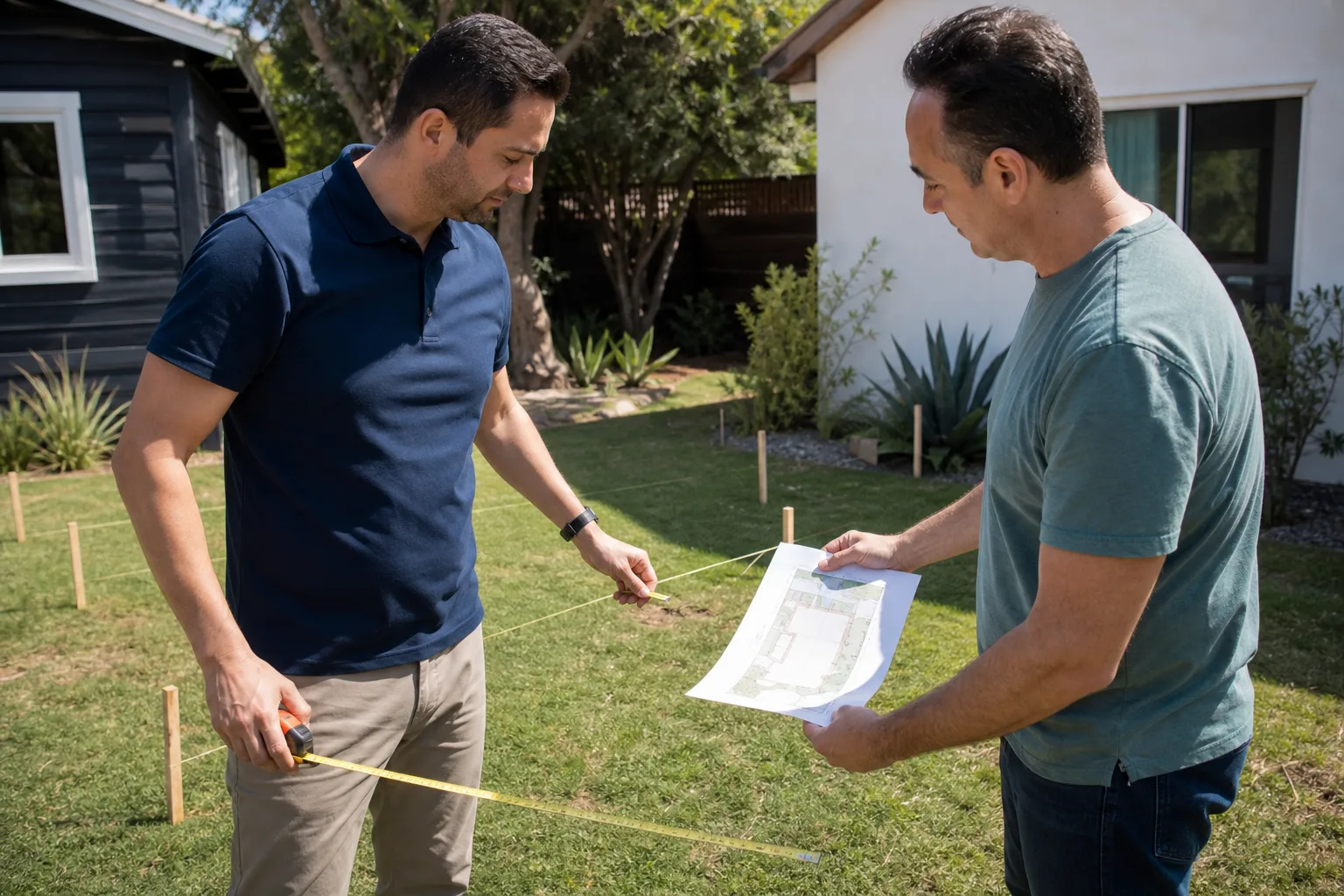
- Pull your village’s architectural guidelines. Get the roof pitch, finish, and color rules in writing for your specific village. Not the whole community’s guidelines; yours.
- Get the brand’s design-review packet. Compare the brand’s standard specifications against the village rules. Identify the gaps and ask whether they can be closed.
- Confirm shipping and assembled width in writing. Anything over 12 feet assembled gets flagged for transport permit review on internal Summerlin roads. Ask about the shipping width and the assembled width separately.
- Map the delivery route and crane placement. Confirm side-yard clearance, overhead line clearance, and whether HOA common areas are crossed. Get the HOA approval timeline on paper.
- Verify the classification in Nevada. Manufactured, modular, or site-built. Ask how the unit is titled and how a lender would treat it.
- Read the warranty and the contract’s boundary clauses. Know who covers structure, envelope, and systems, and where the brand’s responsibility ends and the installer’s begins.
- Confirm the installer is Nevada-licensed and that they pull the permit. Verify the license independently.
If you want a single conversation that covers all seven steps for your lot, our team at Sutton’s home addition contractor team in Summerlin walks through each one with homeowners before they put down a deposit. If you’re earlier in the process and still deciding between an ADU and an addition, start with our Sutton ADU Builders Summerlin home page for the full picture of how we approach projects.
Common Mistakes to Avoid
- Falling for the floor plan before checking the village rules. The floor plan is the fun part and the last part. If the roof pitch and finish don’t clear your village’s review, the floor plan doesn’t matter.
- Ignoring assembled width until delivery week. Units wider than 12 feet when assembled can trigger a slow, sparingly issued transport permit. Check the shipping width and assembled width before any deposit.
- Assuming the brand’s warranty covers the installation. It usually doesn’t. Map the boundary between product warranty and workmanship warranty in the contract.
- Skipping the classification question. Manufacturing classification affects your financing and your title. Ask how the unit is titled in Nevada before you sign.
- Forgetting the crane set cost. In established Summerlin neighborhoods, crane placement is often required and rarely free. Budget for it as a separate line item.
- Not verifying the installer’s Nevada license. The brand’s reputation doesn’t cover the installer’s work. Verify the license yourself.
- Treating the HOA as an afterthought. HOA approval for crane placement or common-area access runs on its own timeline. Start it early.
When to Call a Professional
Some questions deserve a professional answer rather than a brochure. If you’re not sure which villages have which design rules, if your lot has limited side-yard clearance or mature landscaping in the delivery path, if you’re weighing a manufactured unit against a modular or site-built approach and need honest guidance on financing and title, or if the installation-versus-product responsibility question on a branded system is still murky, that’s the moment to talk to someone who’s done this on Summerlin lots. Our technicians have up to 20 years of experience, and we work with the major prefab and modular brands as well as Tuff Shed conversions and James Hardie exterior systems. Sutton ADU Builders Summerlin offers free estimates in Summerlin, with a written price before any work begins and a 365-Day Done Right Promise on the workmanship. Call (833) 355-2818 to schedule your free estimate.
Frequently Asked Questions
Most detached ADUs in Summerlin run $180,000-$320,000 before site work, depending on size, finish level, and brand. Manufactured units often land on the lower end of that range, while modular and site-built units with full utility connections and custom finishes land higher. Site work (foundation, grading, utility trenching, crane set) adds another significant line item that brand pricing pages rarely show. Call (833) 355-2818 for an exact quote on your lot; estimates are free.
Because Summerlin’s village-level architectural review and internal street network weed out brands that work fine elsewhere. A flat-roof panelized unit that sells easily in a neighborhood without design guidelines might get rejected by your village’s committee. A unit wider than 12 feet when assembled might not clear the transport permit step on internal collector roads. Both filters apply before aesthetics, so the realistic brand shortlist narrows faster here than in other parts of Clark County.
Not with us. Every homeowner receives a written price before any work begins, and that price stays put unless you change the scope yourself. Scope creep isn’t passed silently to your bill. Brand-side supply delays and site discoveries are discussed with you in writing before any added cost is incurred. Call (833) 355-2818 for a written, line-item estimate.
Yes. The licensed contractor doing the work pulls the permit in their name, and that’s how it should be for any ADU project in Summerlin. Here’s the key point: the installing contractor should be Nevada-licensed and should pull the permit directly. If a brand offers to pull the permit from out of state, ask why and get the reasoning in writing before you sign.
It covers defects in workmanship for one full calendar year from project completion. If something we built isn’t right within that year, we make it right. The promise covers our installation workmanship, not the manufacturer’s product warranty, which runs on its own terms. Both layers matter: the brand covers the product, we cover the installation, and you get a written guarantee on each. Call (833) 355-2818 if you want the specifics for your project.
Often yes, but it depends entirely on the finish-out. The shell is the easy part; the design review usually turns on the exterior finish, roof pitch, and color. A Tuff Shed conversion with a stucco-compatible finish and a pitch that matches the village can clear review. A bare shell with no finish upgrade often can’t. The finish choices are where the project succeeds or fails, so plan those before you buy the shell.
The Bottom Line
The ADU brand decision in Summerlin comes down to two filters applied in the right order: which systems clear your village’s architectural review, and which units can physically reach your lot through Summerlin’s internal street network. Brand preference comes third. Nail down the design rules for your specific village, confirm shipping and assembled widths in writing, map the delivery route and crane placement, check the classification under Nevada law, and read the warranty alongside the installer’s workmanship guarantee. If a brand clears those gates, you can choose with confidence on style rather than guessing.
Written by the team at Sutton ADU Builders Summerlin.